
Re search
Contracts for every node
Each tool declares what it expects and what it produces. Connect two that disagree, say about which genome build they’re using, and the pipeline refuses to run instead of handing you a wrong answer.
Tested in the lab
The system runs on real multi-omic data at the Biocodecs group, with a first-author biology paper on the way. The design keeps data inside its home institution — analysis goes to the data, not the other way round.
Count the silent errors
A pre-registered study with about 15 researchers compares three ways of building a pipeline: ad-hoc scripts, the typed graph, and an AI agent. The endpoint that matters: how often each one produces a plausible but wrong result.
The
project
Bioinformatics pipelines fail silently. Every step runs fine, the logs are clean, and the final answer is still wrong, because two tools quietly disagreed about something, like which version of a genome they were given.
My PhD builds the layer that catches those mistakes: each tool in a workflow carries a machine-checkable contract, and the workflow records its own provenance as it runs, so a result can be traced back to every decision that produced it.
The system grows out of BioNodulo, the visual workflow platform I've been building since my masters. The PhD formalises what building it exposed.
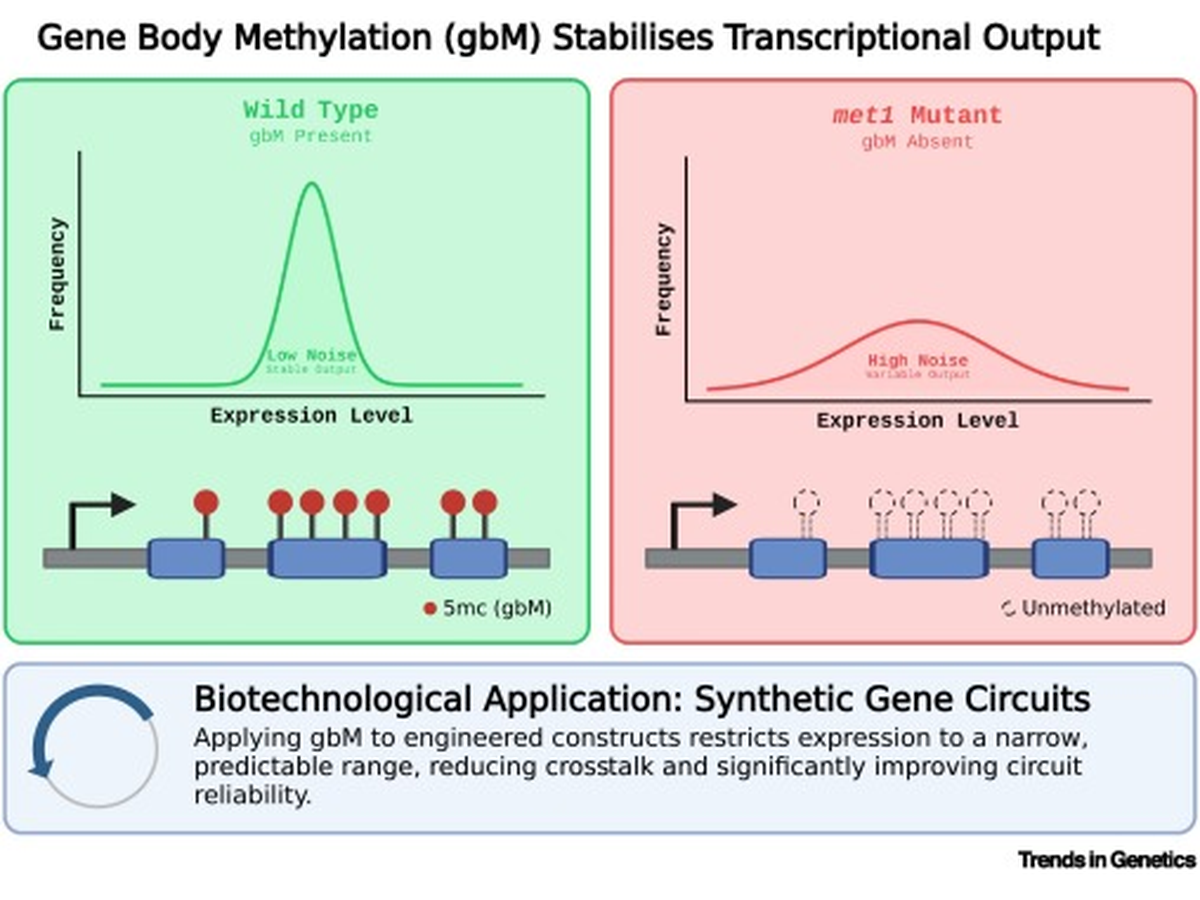
Silencing the noise with gene body methylation
A Spotlight article in Trends in Genetics, May 2026 issue. Main author, with Joseph B.P. Lloyd. It covers gene body methylation, a mark found on the bodies of genes across plants, animals and more, whose job is still argued about, and the case that it keeps transcription honest.
Nieuwenhuyzen M, Lloyd JPB. Trends in Genetics 2026;42(6):484–485.
My masters dissertation worked on the same mark in Arabidopsis thaliana. Scored 80.33, degree with Distinction.